The Ultimate Guide to Finding, Growing, and Utilizing Torchflowers in Minecraft 1.20+
In the vast and ever-expanding world of Minecraft, the 1.20 “Trails & Tales” update introduced a treasure trove of new features, among which the Torchflower stands out as a unique and visually striking botanical addition. Unlike traditional flowers that you might find scattered across the lush plains or dense forests of the Overworld, the Torchflower is not a naturally spawning plant that you can simply pluck from the ground during a casual stroll. Its rarity and the specific method required to obtain it have made it a topic of great interest among both veteran players and newcomers alike. Understanding the mechanics behind this ancient bloom is essential for any player looking to complete their collection of rare flora or simply add a touch of prehistoric elegance to their garden builds.
The Torchflower carries a rich lore, being an “ancient” plant that was lost to the annals of time until the introduction of the Sniffer—a mob brought back from extinction through archaeology. This connection between the plant and the mob is the key to unlocking its presence in your world. Because it does not generate in the wild, you must engage with the game’s archaeology mechanics to acquire the seeds necessary to cultivate it. This guide will walk you through the entire process, from finding the elusive Sniffer Egg to harvesting your first fully grown Torchflower, providing you with all the technical details and expert advice you need to master this aspect of Minecraft’s botanical ecosystem.
Step 1: Locating and Excavating Sniffer Eggs
The journey to obtaining a Torchflower begins not in a meadow, but in the depths of the ocean. To get your hands on a Torchflower, you first need a Sniffer, and to get a Sniffer, you must find a Sniffer Egg. These eggs are exclusively found within Suspicious Sand blocks located in Warm Ocean Ruins. These structures are scattered across the ocean floor in warm, lukewarm, and deep lukewarm ocean biomes. You will need to bring a Brush—a tool crafted from a feather, a copper ingot, and a stick—to interact with the Suspicious Sand. When you locate these structures, look for the blocks that appear slightly grainier than standard sand; these are the blocks that contain loot.
Once you have identified the Suspicious Sand, equip your Brush and hold the use button to clear away the sand layers. This process takes a few seconds per block. It is important to note that the drop rate for a Sniffer Egg from Suspicious Sand in Warm Ocean Ruins is approximately 6.7%. This means you may need to explore several ruins before you successfully uncover an egg. Because these ruins are underwater, preparation is key. Ensure you have a helmet with the Respiration enchantment, a Door or a Magma Block for air management, and perhaps a Potion of Water Breathing to maximize your efficiency while searching the seafloor. Patience is your greatest asset here, as the RNG (Random Number Generator) can sometimes be unforgiving in your quest for these ancient relics.
Step 2: Hatching the Sniffer Egg
After you have successfully retrieved your Sniffer Egg, the next phase is incubation. Unlike chicken eggs, which can be thrown to spawn a chick, Sniffer Eggs must be placed on a solid block to hatch. When placed, the egg will begin a transition process. You can place the egg on almost any solid block, but it is recommended to place it in a safe, enclosed area where the future Sniffer will not wander off or be attacked by hostile mobs. The hatching process takes approximately 20 minutes of real-time gameplay (or 10 minutes if placed on a Moss Block, which accelerates the process significantly).
While the egg is hatching, you will notice it shaking and changing states. It is crucial to keep the area clear of mobs that might interfere with the hatching process. Once the timer completes, the egg will hatch, and a Snifflet (the baby form of the Sniffer) will emerge. Snifflets are adorable, passive mobs that follow their parents or wander aimlessly. They do not drop items upon death and are generally harmless. You will need to wait for the Snifflet to grow into an adult Sniffer before it can begin the process of sniffing out seeds. You can speed up the growth of a Snifflet by feeding it Torchflower Seeds, which will shave time off its maturation process, though this creates a bit of a “chicken and the egg” scenario if you don’t already have seeds. Simply letting them grow naturally over time is usually the most resource-efficient method.
Step 3: The Sniffing Process and Harvesting Seeds
Once your Sniffer has reached adulthood, it will begin its primary function: roaming the world and sniffing the air for ancient seeds. This behavior occurs periodically. When a Sniffer detects a seed, it will lower its head and start to dig into the ground using its nose. After a short digging animation, an item will pop out of the ground. This item is the Torchflower Seed. It is important to remember that Sniffers require a significant amount of horizontal space to perform this action. They need a flat area of at least 6×6 blocks of dirt, grass, podzol, coarse dirt, rooted dirt, moss, or mud to successfully sniff out a seed.
If the Sniffer is confined in a small pen, it may fail to find seeds because it cannot locate a suitable spot to dig. Provide your Sniffer with a large, open area to ensure maximum yield. Once the Sniffer digs up the seed, it will drop it as a standard item, which you can then pick up. You do not need to do anything special to the ground after it digs; the Sniffer is capable of finding seeds repeatedly over time. Keep an eye on your Sniffer, as they have a cooldown period between sniffing attempts. By maintaining a healthy environment and giving them enough space, you will soon find yourself with a surplus of Torchflower Seeds, allowing you to begin your cultivation efforts.
Step 4: Planting and Cultivating Torchflowers
Now that you have your Torchflower Seeds, the actual farming process is quite similar to standard wheat or carrot farming. To plant a Torchflower Seed, you must have a block of Farmland. Use a Hoe on a dirt or grass block to create the Farmland, ensuring that there is a water source nearby to keep the soil hydrated. Hydrated soil will allow the seeds to grow significantly faster, which is vital if you are planning to farm these flowers for decoration or for breeding purposes. Once the Farmland is prepared, simply equip the Torchflower Seeds and use them on the soil to plant them.
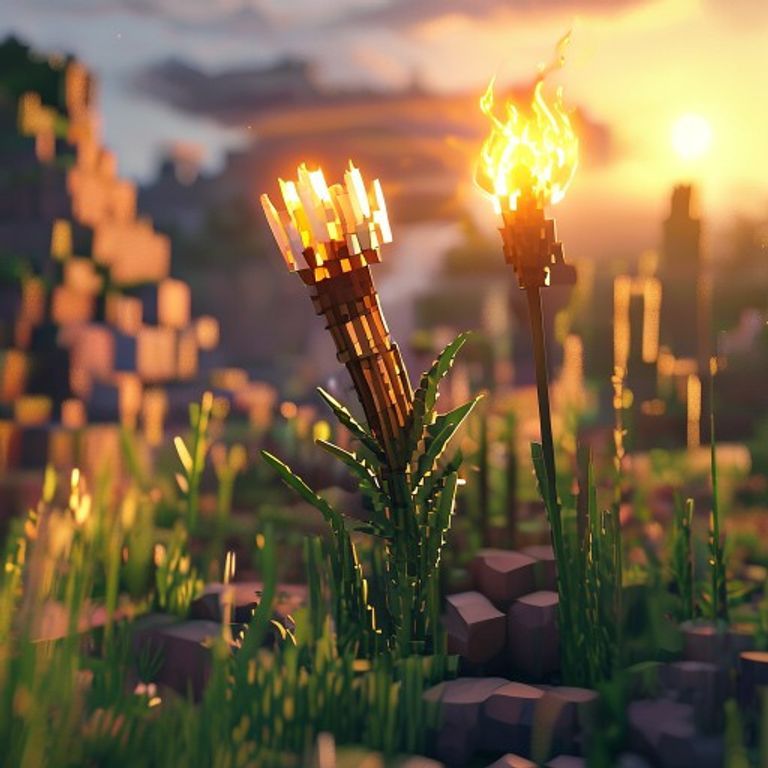
The growth process of a Torchflower involves several stages. Initially, you will see a small sprout, which will gradually grow into a taller, more defined plant. Unlike other crops, Torchflowers do not have a “harvest” stage where they turn into a different item; rather, they grow into the finished flower. Once the plant reaches its final growth stage, it will bloom into the iconic orange-and-yellow Torchflower. At this point, you can harvest it by breaking the block. If you break the plant before it is fully grown, you will only receive the seed back. Once fully grown, breaking it yields the Torchflower item, which you can then place in a flower pot or plant directly into the ground for aesthetic purposes.
Step 5: Managing Your Torchflower Farm
If you intend to use Torchflowers extensively in your builds, you will likely want to set up an automated or semi-automated farm. Since Sniffers are the only source of the seeds, your farm must start with a “Sniffer Pen.” Create a large enclosure with a grass floor and place your Sniffers inside. Below the grass floor, you can place a layer of Hopper Minecarts or a water stream system to collect the seeds as they are dropped. However, because Sniffers drop the seeds directly on the ground in front of them, a standard hopper collection system underneath the blocks won’t work. Instead, you should use a collection system that picks up items from the surface, such as a row of Hoppers covered by carpets or a water stream that pushes the dropped items into a collection chest.
Once you have a steady supply of seeds, you can create a dedicated crop field. Use a standard row-based layout for your Farmland, keeping water channels every nine blocks to ensure full hydration. You can use a Farmer Villager to automate the harvesting if you have a modded environment, but in vanilla Minecraft, you will need to manually harvest the flowers. Remember that Torchflowers are not affected by light levels in the same way some other plants are, but they do require a light level of at least 9 to grow. If you are building an underground or indoor farm, ensure you have plenty of Torches, Lanterns, or Glowstone to keep the area well-lit. This will prevent the growth from stalling and ensure that your garden remains vibrant and productive around the clock.
Reference Data: Torchflower Growth and Collection
| Stage | Appearance | Interaction |
|---|---|---|
| Seed | Tiny sprout | Can be replanted |
| Growth | Mid-sized stalk | Cannot be harvested |
| Mature | Full Torchflower | Drop 1 item |
Reference Data: Sniffer Egg Hatching Times
| Surface Type | Hatching Time |
|---|---|
| Standard Block | 20 Minutes |
| Moss Block | 10 Minutes |
Tips and Best Practices for Torchflower Enthusiasts
The first tip for any aspiring Torchflower gardener is to prioritize the creation of a Moss Block nursery for your Sniffer Eggs. As noted in the reference table, placing your eggs on Moss Blocks cuts the incubation time exactly in half. This is a massive time-saver, especially if you are working with multiple eggs or trying to build a large population of Sniffers for a high-yield seed farm. Moss Blocks can be easily obtained from Shipwrecks or by trading with Wandering Traders, making this an accessible optimization for early-game players.
Secondly, always ensure that your Sniffer pen is adequately sized. One of the most common complaints among players is that their Sniffers “aren’t working.” In 99% of these cases, the Sniffer simply does not have enough pathfinding space to trigger its sniffing animation. Give your Sniffers at least a 10×10 area of grass blocks to roam. Additionally, avoid placing too many decorative blocks or fences inside the pen that might obstruct their movement. A clean, open space is the best environment for a productive Sniffer.
Finally, consider the aesthetic placement of your Torchflowers. Because they are unique, they pair beautifully with other decorative blocks introduced in the 1.20 update, such as Cherry Blossom wood or Bamboo. Because they grow on Farmland, you can hide the tilled soil beneath decorative trapdoors or carpet to make them look like they are growing naturally in the wild. Using Moss Carpets around the base of your Torchflowers can create a lush, overgrown look that fits perfectly with the “ancient” theme of the plant.
Frequently Asked Questions (FAQ)
1. Can I find Torchflowers naturally in the world?
No, Torchflowers do not generate naturally in any biome. They are considered an extinct plant species in the game’s lore and can only be obtained by finding Sniffer Eggs in Warm Ocean Ruins, hatching them into Sniffers, and waiting for the Sniffers to dig up the seeds.
2. Do Sniffers eat Torchflowers?
Yes, you can feed Torchflower Seeds to Snifflets to speed up their growth process. However, adult Sniffers do not “eat” the flowers in a way that consumes them; they simply interact with the environment to provide you with more seeds.
3. Do Torchflowers require water to grow?
Like wheat, carrots, and potatoes, Torchflowers must be planted on hydrated Farmland to grow efficiently. If the Farmland dries out, the growth process will significantly slow down or stop entirely until the soil is re-hydrated.
4. How many Sniffers do I need for a good farm?
For a small decorative garden, one or two Sniffers are more than enough. If you are planning to use Torchflowers as a primary building material or to trade with other players on a server, a group of four to six Sniffers in a large, dedicated enclosure should provide more than enough seeds to keep your fields full.
5. Can I use bone meal on Torchflowers?
Yes, you can use bone meal on a planted Torchflower seed to instantly grow it to its mature, flowering state. This is an excellent way to quickly populate a garden if you have a reliable source of bone meal from a Skeleton farm or a Composter setup.
Conclusion
The Torchflower is more than just a colorful plant; it represents the depth of the archaeology system in modern Minecraft. By bridging the gap between the ancient past—represented by the Sniffer—and the player’s present-day building projects, the Torchflower serves as a rewarding goal for those willing to put in the effort. While the process of hunting for ocean ruins, brushing sand, and managing the growth of a prehistoric creature might seem daunting at first, the resulting aesthetic payoff is well worth the time investment.
Whether you are looking to create a thematic garden, complete your collection of flora, or simply experiment with the unique mechanics of the Sniffer mob, this guide has provided you with the foundational knowledge required to succeed. Remember to keep your Sniffers happy with plenty of space, optimize your egg hatching with Moss Blocks, and don’t be afraid to experiment with different building layouts to show off your rare blooms. As you continue your journey through the Trails & Tales update, let the Torchflower be a symbol of your dedication to uncovering the hidden secrets of the Minecraft world. Happy gardening, and may your Sniffers always find the rarest seeds!
