What is Edge Computing? A Practical Guide to Decentralized Data Processing
Edge computing is a distributed computing model that moves data processing closer to the source of data generation. Instead of sending every piece of information to a centralized cloud server, edge computing processes data locally on devices like sensors, routers, or nearby edge servers. This minimizes latency, reduces bandwidth consumption, and enables faster, real-time decision-making.
Traditional cloud architectures are struggling to keep up with the explosive growth of IoT devices, autonomous systems, and smart infrastructure. Sending massive volumes of data to distant data centers introduces delays, increases network costs, and raises privacy concerns. Edge computing solves these challenges by performing computation at the network’s periphery, where data is created.
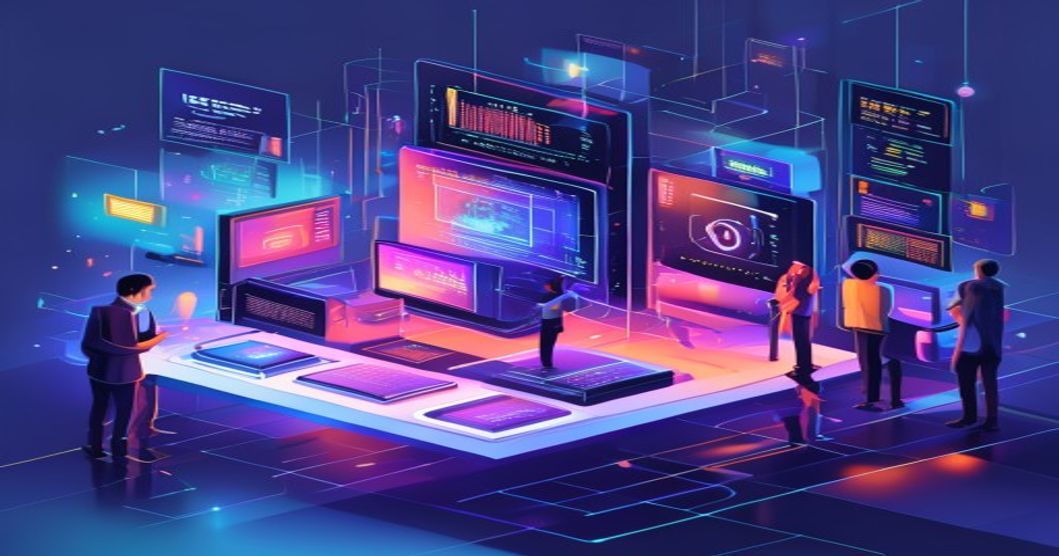
How Edge Computing Works
Edge nodes act as mini data centers located physically close to end users and devices. They filter, process, and analyze raw data locally, transmitting only valuable insights to the cloud for further storage or machine learning model training. This creates a hybrid environment that balances local speed with cloud scalability.
Key Benefits
- Ultra-low latency: Critical actions respond within milliseconds.
- Bandwidth savings: Less data crosses the network, lowering costs.
- Resilience: Operations continue even if cloud connectivity fails.
- Data privacy: Sensitive information remains local, minimizing exposure.
Real-World Use Cases
- Autonomous vehicles rely on edge AI for instant obstacle detection.
- Smart factories use edge sensors for predictive equipment maintenance.
- Remote surgical tools need low-latency video processing.
- CDNs cache content at edge locations to accelerate video streaming.
Edge computing is not replacing the cloud; it complements it. As 5G connectivity becomes widespread and the Internet of Things continues to multiply, edge computing will become the backbone of fast, intelligent, and secure digital infrastructure. Understanding this paradigm is essential for developers and business leaders aiming to build modern, efficient systems.
