What Is Edge Computing? A Practical Guide to Distributed Data Processing
Edge computing is a distributed computing paradigm that brings data processing and storage closer to the devices that generate it—instead of relying on a distant centralized cloud. This (IoT) devices, sensors, and machines can process information on-site, dramatically reducing the distance data must travel.
Traditional cloud computing struggles with latency, bandwidth costs, and privacy concerns. Edge computing solves these problems by performing computing tasks at the “edge” of the network, enabling real-time decisions without needing constant connectivity to a central server.
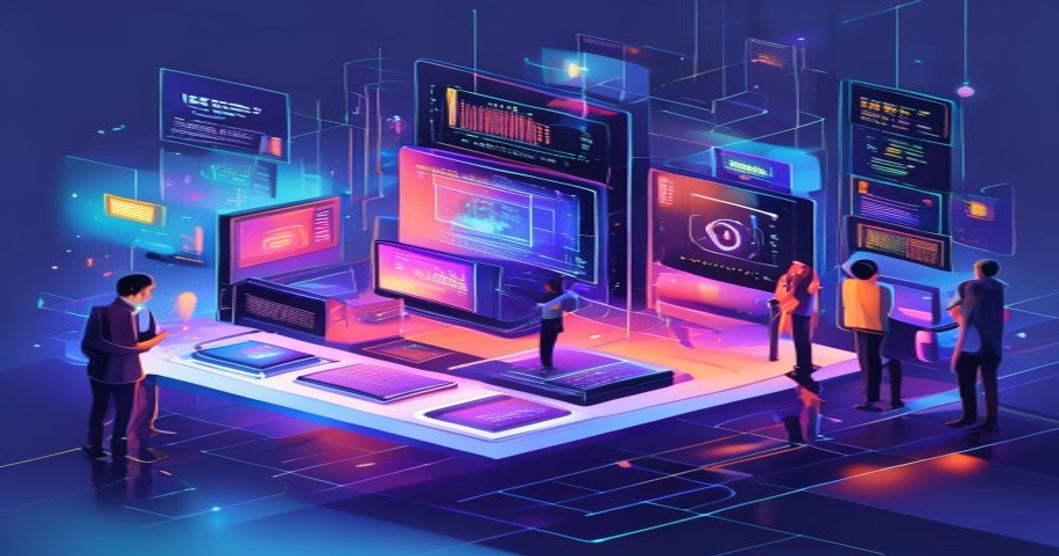
How Edge Computing Works
Edge architecture uses local infrastructure—such as routers, gateways, and IoT devices—as mini data centers. These nodes filter, analyze, and act on data in milliseconds, only sending essential insights and summaries to the cloud for long-term storage.
Key Benefits of Edge Computing
- Reduced latency: Instant responses for time-critical applications like autonomous vehicles.
- Lower bandwidth costs: Less raw data travels across the network.
- Enhanced privacy: Sensitive information stays on local devices instead of the cloud.
- Improved reliability: Operations continue even when the cloud connection drops.
Practical Use Cases
Edge computing powers smart factories, remote healthcare monitoring, video surveillance analytics, and retail inventory tracking. It is also essential for augmented reality and industrial automation, where milliseconds matter.
Edge vs. Cloud: Complementary, Not Competitive
Edge computing does not replace the cloud. Instead, the two work together: edge handles real-time, local data processing, while the cloud manages massive datasets, complex analytics, and system-wide orchestration.
By understanding edge computing, developers and IT leaders can design more responsive, secure, and efficient systems. It is not just a trend—it is the foundation of the next generation of decentralized applications.
