Artificial Intelligence Explained: Definition and Real-World Examples
Artificial intelligence (AI) refers to computer systems designed to simulate human intelligence. These systems can learn, reason, make decisions, and understand language. AI powers everything from search engines to self-driving cars, making it one of the most transformative technologies today.
Broadly, AI falls into two categories: narrow AI (trained for specific tasks like facial recognition) and general AI (theoretical human-level intelligence). Most current applications use narrow AI, which relies on machine learning and deep learning to improve over time.
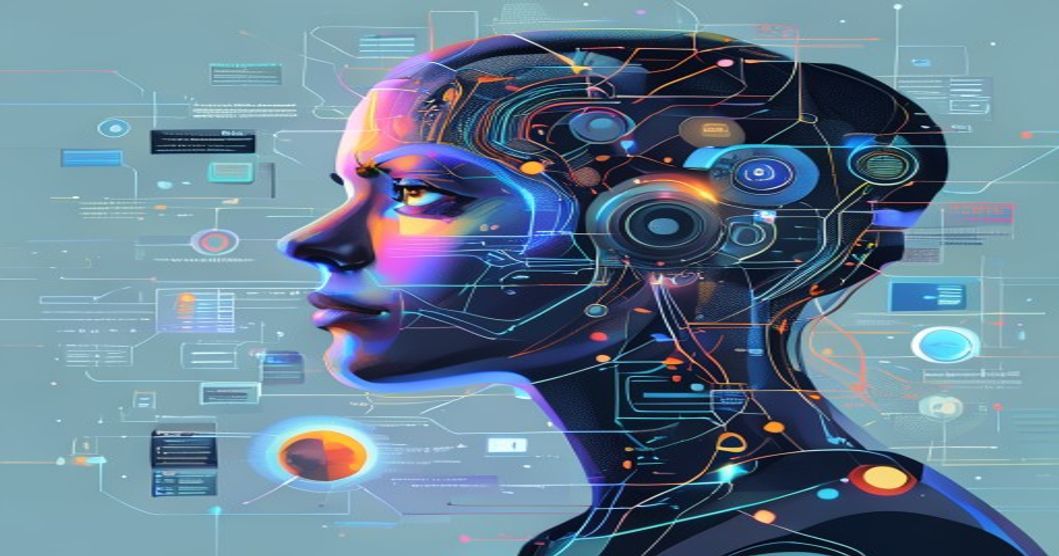
How AI Works in Practice
AI systems learn from large amounts of data. They identify patterns, make predictions, and adapt without explicit programming for every scenario. Key techniques include:
- Machine Learning: Algorithms that improve automatically through experience (e.g., spam filters).
- Natural Language Processing (NLP): Enables computers to understand and generate human language (e.g., chatbots).
- Computer Vision: Allows machines to interpret visual information (e.g., photo tagging).
Everyday Examples of AI
AI is already woven into daily life. Here are some common examples:
- Virtual Assistants: Siri, Alexa, and Google Assistant use NLP to answer questions and control devices.
- Recommendation Systems: Netflix and Spotify suggest content based on your past behavior.
- Navigation Apps: Google Maps and Waze use AI to predict traffic and suggest fastest routes.
- Smart Home Devices: Thermostats like Nest learn your schedule to save energy.
- Fraud Detection: Banks use AI to flag unusual transactions in real time.
Why AI Matters
AI boosts efficiency, personalizes experiences, and automates repetitive tasks. It drives innovation in healthcare (diagnosing diseases), finance (algorithmic trading), and transportation (autonomous vehicles). Understanding AI helps you make informed choices about the technology you use every day.
In short, AI is not a futuristic concept—it’s here now, making life more convenient and industries more productive. As AI evolves, its real-world impact will only grow.
