What Is Edge Computing? A Practical Beginner’s Guide
Edge computing is a distributed computing paradigm that brings data processing and storage closer to the source of data generation. Instead of sending all data to a centralized cloud data center, edge computing processes information on local devices, routers, or nearby edge servers. This approach minimizes the distance data must travel, enabling faster and more efficient operations.
This shift is essential because the explosive growth of connected devices—from smart sensors to autonomous vehicles—has overwhelmed traditional cloud architectures. By handling processing at the network edge, organizations can achieve near-real-time responses, reduce dependency on internet connectivity, and optimize bandwidth usage.
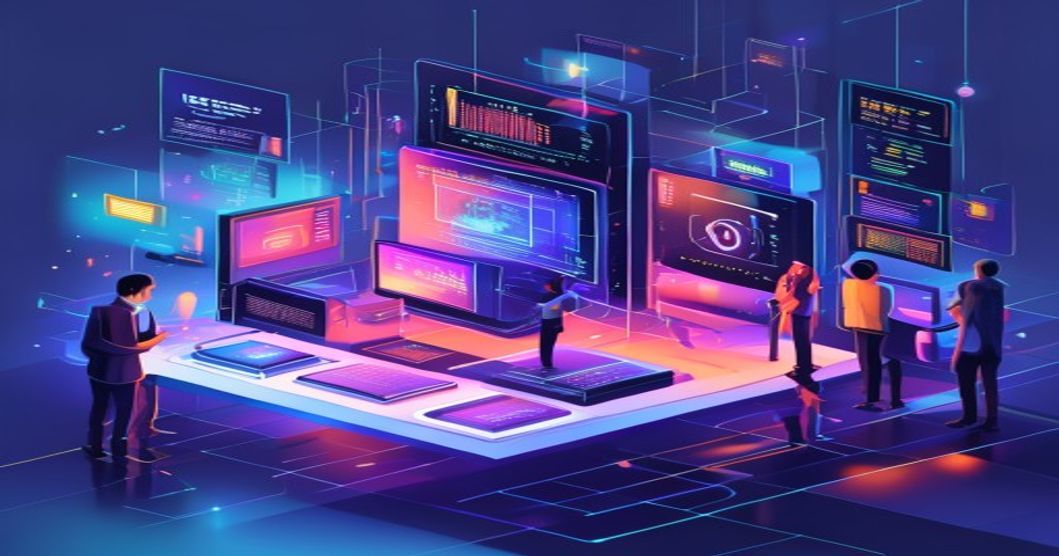
How Edge Computing Works
In a classic cloud model, devices send raw data to a far-away data center for processing. In an edge model, an “edge node” (like a gateway, micro data center, or even the device itself) performs initial data processing locally. It filters, analyzes, and acts on the data instantly, sending only relevant or aggregated insights to the cloud for further analysis and storage.
Key Benefits of Edge Computing
- Ultra-low Latency: Decisions are made in milliseconds, critical for autonomous vehicles and industrial robots.
- Bandwidth Efficiency: Only filtered data crosses the network, drastically reducing data transfer costs.
- Enhanced Security: Sensitive data can remain on-premises, minimizing exposure to cyber threats during transmission.
- Offline Resilience: Edge systems continue functioning even when cloud connectivity drops, ensuring business continuity.
Real-World Use Cases
Edge computing powers smart factories with predictive maintenance, enables telemedicine through real-time vital sign monitoring, and runs facial recognition on security cameras without cloud round-trips. Retailers use edge analytics to personalize in-store promotions instantly, while energy companies monitor wind turbines at remote sites.
Edge Computing vs. Cloud
Edge computing does not replace the cloud—it complements it. The cloud remains the best place for massive data aggregation, complex machine learning model training, and long-term storage. Edge computing takes care of time-critical, local tasks, while the cloud handles global analytics. Together, they form a hybrid architecture that is both fast and scalable.
Conclusion
Edge computing is rapidly becoming a foundational technology for the IoT era. By processing data closer to its source, it unlocks faster insights, lower operating costs, and more reliable systems—making it an essential concept for anyone building modern digital infrastructure.
