Server vs. Data Center: What’s the Difference?
In IT discussions, “server” and “data center” are often used interchangeably, but they represent vastly different layers of infrastructure. Understanding the distinction is crucial for budgeting, scaling, and managing your technology stack effectively.
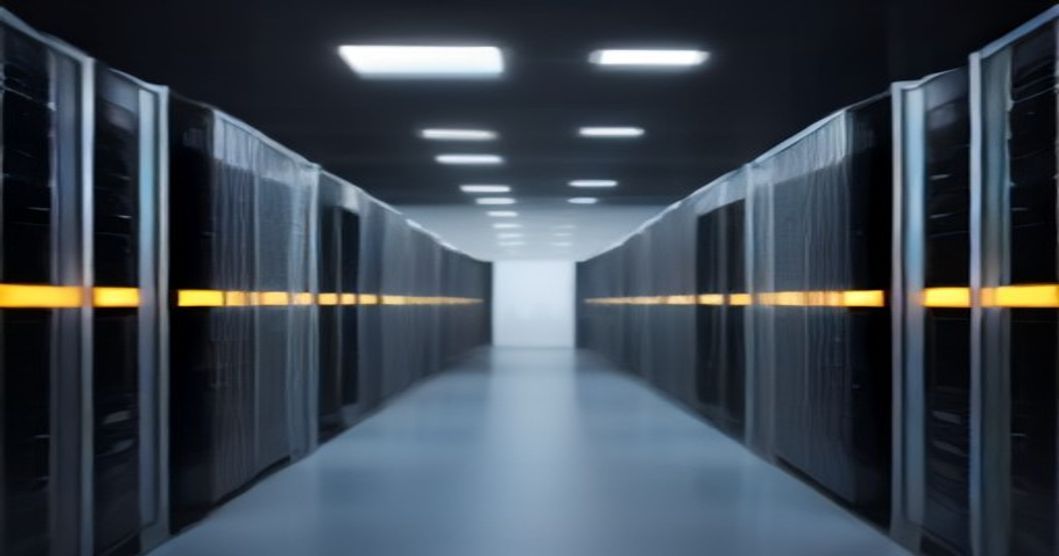
A server is a single computing device, while a data center is a physical facility that houses many servers and the supporting systems they need to run reliably.
What is a Server?
A server is a specialized computer designed to provide services, data, or resources to other computers (clients) over a network. Unlike a typical desktop, servers prioritize reliability, processing power, and memory. Common examples include web servers, file servers, and database servers.
What is a Data Center?
A data center is a centralized location that hosts an organization’s critical IT infrastructure. It is more than just a room full of computers; it includes redundant power supplies, advanced cooling systems, physical security, and high-bandwidth network connectivity. Data centers can be on-premises, colocated, or cloud-based.
Key Differences
- Scale: A server is a single unit; a data center is a facility containing dozens or even thousands of servers.
- Function: A server processes requests and delivers data; a data center provides the environment to keep those servers running 24/7.
- Components: A server consists of CPUs, RAM, and storage; a data center includes servers plus cooling, power, security, and networking gear.
- Cost & Complexity: Deploying a single server is simple; building and maintaining a data center requires significant capital and technical expertise.
How They Work Together
In practice, a modern data center cannot operate without servers. The servers are the workhorses, while the data center acts as the life-support system. For a small business, a single server in a closet may suffice; for an enterprise, a multi-tenant data center is essential to ensure uptime and scalability.
In summary, think of a server as the engine and a data center as the garage, fuel supply, and security system combined. Knowing the difference helps you make smarter IT decisions.
